Lasting Solutions: Permeable Interlacing Pavers for Driveway Setup
Permeable interlacing concrete pavers have been around enough time to shed the novelty label. They deal with daily automobile web traffic, take in tornados that would certainly flood a standard slab, and festinate in a household or little industrial setup. When designed and installed well, they work like a miniature landmark under your wheels. Water undergoes the joints, right into a rock tank, and either permeates right into the ground or exits with a controlled outlet. The surface stays company and eye-catching, the base quietly shops and takes care of drainage, and the whole system makes its keep for decades.
I have actually mounted permeable systems on driveways that rest alongside trout streams, in limited metropolitan great deals where stormwater rules leave no wiggle room, and on dead ends where neighbors at first questioned the concept, after that called the next season to request for their own. Every website brings its very own collection of restrictions. The technique is repeatable, but the judgment telephone calls are what maintain the job interesting.
Why permeable interlocking pavers make sense on a driveway
Most driveways send out water straight to the road. On a summer season thunderstorm, that sheet of overflow can carry oil residue, brake dirt, plant food from the grass, and a lot of great debris. A permeable interlacing system transforms the driveway into a filter and a short-lived tank. The joints are filled with a small, tidy rock, not sand. Water slides down into an open graded aggregate base with big voids, where it reduces, spreads, and soaks. Pollutants settle in the leading layer as opposed to running to the nearest inlet.
The performance gains are tangible. Preliminary surface area seepage prices are often more than 100 inches per hour when determined on a tidy new setup, which suggests also intense cloudbursts have area to breathe. That capacity declines as fines build up, yet with routine vacuum brushing up the surface area usually remains much over what most tornados need. When neighborhood soils accept seepage, the system decreases strain on storm sewage systems and charges groundwater. Where heavy clay or high groundwater rules out complete infiltration, the very same assembly can be strangled with an underdrain to regulate outflow without shedding the advantages of filtration and storage.
There is also the issue of looks and longevity. Well made pavers with tight resistances lock up into a textured aircraft that matches both older block homes and straightforward modern-day exteriors. Shades hold, repairs are pain-free, and the surface endures freeze cycles much better than a monolithic pour due to the fact that it is made to move.
The composition of a permeable paver system
Think in layers. The pavers on the top are just the visible tip of a small civil jobs task. Listed below them rests a bedding layer of little chip stone that levels the systems and supplies drain. Much deeper still, an open rated reservoir base lugs most of the water storage and architectural load. Along the edges, restrictions maintain everything in place. Someplace in the rock, a geotextile could sit to different soils, or a perforated underdrain could wind its escape to daylight or a controlled electrical outlet. The appeal of the system is that it scales. A brief metropolitan driveway can get by with a small reservoir and no underdrain if dirts infiltrate. A lengthy sloped drive above clay requires more depth and a pipe.
Aggregate option matters. The rocks are purposely void graded to produce spaces. An usual layering method utilizes a tiny chip rock for the bed linen and joints, a tool sized stone as a collar training course to secure the bed, and a bigger clean rock for the reservoir. Those dimensions vary by region and supplier, yet the intent remains regular: tidy, angular, well graded within each layer, and washed to remove penalties. Angular stone stands up to movement. Rounded river gravel does not belong in the structure.
Edge restrictions do the peaceful job that keeps the area limited under traffic and temperature level swings. Concrete visuals with an indispensable footer, well pinned plastic restraints ranked for permeable installments, or a soldier course secured mortar versus a put light beam all job when sized to the load.
What it requires to lug automobiles without rutting
Driveways are deceptively hard on sidewalks. Even when only 2 automobiles come and go, the load repeats in the exact same wheel paths day after day. A permeable system prospers when the base is created to deal with that anxiety while still holding adequate water to fulfill the task's storm goals. Those two needs push in contrary directions. More stone deepness raises both strength and water storage, however also includes price and excavation. The appropriate answer resides in between and depends on subgrade toughness, website traffic, and rainfall.
We start with subgrade testing. On household work, a probe and visual dirts check typically tell you whether you are sitting on company sandy loam or a damp plastic clay. For larger jobs, a straightforward vibrant cone penetrometer test or field bearing checks assist size the base. If the subgrade is weak, scarify lightly, add a non woven geotextile separator with a high permittivity, and prevent over compaction that would seal the surface. If it is strong and drains pipes, you might not need geotextile at all.
Base density then reflects website traffic course. For a common two auto Driveway Paving Installation that sees automobiles and the occasional delivery van, I define a storage tank depth in the 8 to 12 inch array over undisturbed soils, not counting the bedding. On an estate drive that expects relocating vans or weekly service vehicles, 12 to 18 inches brings comfort. The open graded base has a void proportion near 40 percent, so every 10 inches of deepness shops approximately 4 inches of rains spread out throughout the impact. That quick psychological mathematics aids when a community requests for on site storage space equivalent to a one inch storm over the paved area.
Compaction of open rated rock is different from thick rated road base. You do not function water into the mix or go after best density numbers. Instead, you position in lifts of 4 to 6 inches, run a relatively easy to fix plate or light roller, and check for side motion under the equipment. The objective is to seat the angular stone, not squash it penalties. Straining presents dust that will certainly obstruct the top later.
Where underdrains fit, and when to skip them
Underdrains are not a default. They add price and can short circuit seepage if utilized without thought. I reach for a perforated pipe when the indigenous dirt infiltrates inadequately, groundwater sits high, or the website calls for positive water drainage within a set drawdown home window. The pipe relaxes near all-time low of the reservoir with its invert simply high enough to leave some storage space volume for water quality. Wrap the pipe in a brief sleeve of geotextile to keep small rocks out, or utilize a slotted pipeline with a slim gravel envelope. Prevent wrapping the entire base in textile like a burrito. That method seems tidy on paper, however it ends up being a canal for penalties and shortens the life of the system.
On sandy or loamy soils that pass simple percolation checks, missing the underdrain keeps the style easy and allows the ground do the work. Some clients like the redundancy of a capped cleanout tied to a stubbed underdrain, prepared to be opened if a fanatic event or a future addition modifications runoff patterns. That compromise costs little and gets flexibility.
Comparing costs with conventional driveways
Numbers vary by area, gain access to, and your choice of paver, yet a few ranges aid set expectations. Conventional asphalt on a household drive typically drops in the 5 to 8 bucks per square foot range when no base restoration is needed. Ordinary concrete generally lands around 8 to 12 bucks per square foot. Absorptive interlacing pavers, consisting of the specialized aggregates, usually run 12 to 22 dollars per square foot set up for a driveway sized project. Complex patterns, tight accessibility, or deep reservoirs push the number up. Refunds or stormwater credits can bring it back down.
On paper, permeable looks expensive. Over a two decades perspective, the calculus shifts. Place repair work on pavers are localized and blend in. If an utility cut is required, you draw units, take care of the line, restore the stone, and relay the very same pavers. Freeze damage that would spiderweb a concrete slab appears as a few loosened systems that take an hour to reset. Proprietors who put value on keeping water on website, avoiding sump pump fights with next-door neighbors, and meeting permit responsibilities frequently see the costs as money well spent.
Design selections that enhance everyday performance
Two information make the user experience: joint dimension and sidewalk texture. Broader joints enable quicker intake and are much less susceptible to securing under a few stray leaves, however they likewise relocate the appearance from crisp to rustic. Slim joints keep a sharp grid and still deliver plenty of infiltration if the task is preserved. For household driveway job, I tend to choose pavers with incorporated spacers that create a joint large adequate for the correct chip stone without leaving large gaps. Joints should be deep, not shallow. That depth holds the stone, keeps tires from drawing it out, and aids catch penalties before they settle right into the bedding.
Surface structure affects grip, noise, and wintertime handling. A slightly tumbled face hides scuffs and really feels comfortable underfoot. An obvious bevel looks excellent however can telegraph more tire sound on limited turns. When snow belongs to life, prevent very smooth surfaces. Plows ride penalty on permeable pavers if the blade has footwear or a polymer edge set a hair over the surface area. Deicing salts do not pool on the top the way they do on thick concrete. They work effectively because meltwater recedes and can not refreeze as a glaze.
A functional setup series for reliability
- Evaluate the site. Confirm home lines, mark utilities, and observe where water presently moves. Determine downspouts that dispose onto the drive, and decide whether to tie them into the tank or redirect them across landscape.
- Excavate with restriction. Maintain undisturbed subgrade where possible. Stay clear of driving heavy equipment over revealed dirts. Cut to the layout deepness with a tidy bench. If the subgrade is soft, maintain with a non woven geotextile separator.
- Place the open graded base in regulated lifts. Use clean, angular accumulation. Compact to secure the rocks, not to force penalties. Examine altitudes versus string lines and a revolving laser. Establish incline towards any kind of underdrain outlet.
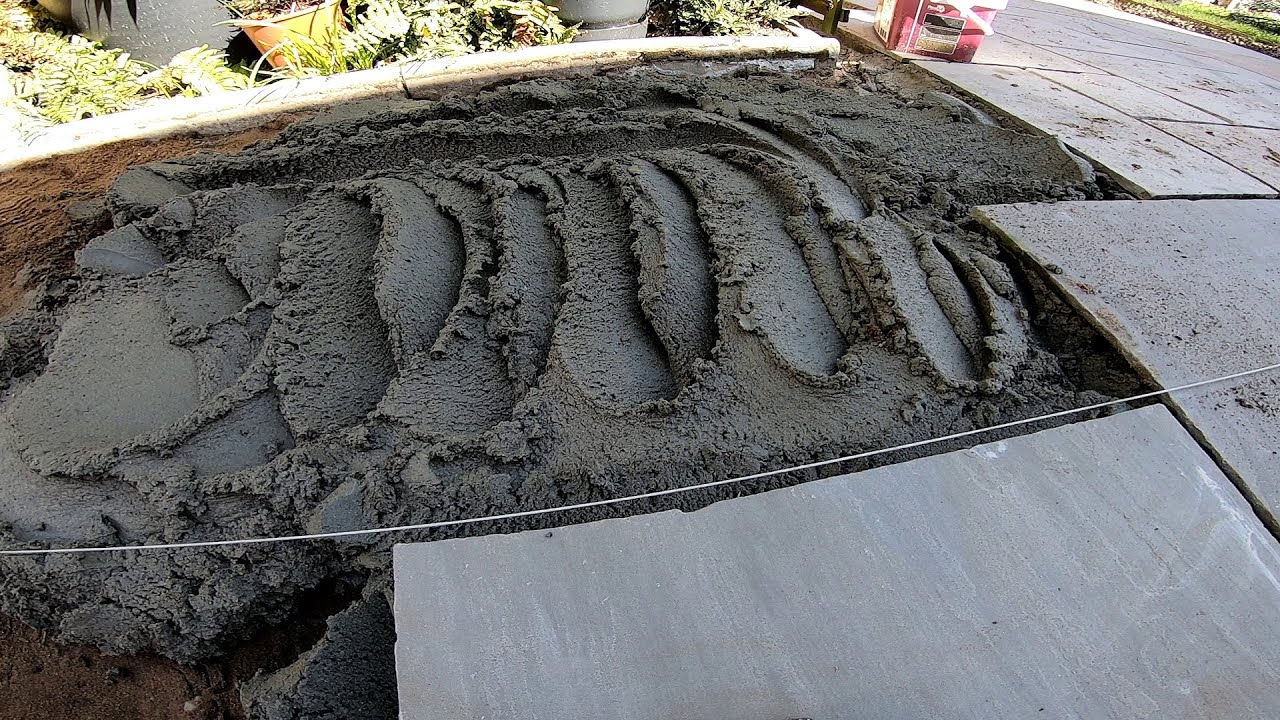
- Install edge restrictions and lay bedding. Establish restraints on solid support so they stand up to outside drive, after that screed the bedding layer to a constant thickness. Keep it dry and clean. Do not walk or drive over it after screeding.
- Lay, cut, and seat the pavers. Work from the low point up, pull string lines commonly, and reduced systems with a saw to keep limited borders. Fill joints with clean chip rock, sweep, and shake the surface with a plate compactor fitted with a safety pad. Top off joints till they no more accept even more stone.
That sequence reveals the rhythm, but numerous tasks require a couple of twists. On a steep approach, as an example, phase the stone deliveries to reduce monitoring and wash down the street each night. On a shaded site below conifers, design the upkeep strategy to consist of a springtime and loss vacuum cleaner move to remain ahead of needles.
Maintenance that keeps seepage high
Permeable sidewalks award light, normal care. I inform customers to think of them like a hardscape variation of a high performance seamless gutter: accumulate, communicate, and clean. The surface will capture fines lugged by wind, tires, and close-by soil. Left alone, those fines weaved the top and slow consumption. A light vacuum cleaner move once or twice a year draws them out of the joints. The best tools matters. Utilize a regenerative air or vacuum cleaner, not a high pressure laundry that drives penalties much deeper. House shop vacs can deal with little locations around garage doors or under a basketball hoop.
Weeds make for great pictures in concern mongering posts, professional paver repair Walnut Creek yet they usually signal adjacent soil or mulch moving onto the surface. Hand pull where they show up, after that fix the source. Refill joints with the exact same tidy chip stone if you see settlement after the first season. Snow removal functions like any type of various other paver surface, with the one caution regarding blade footwear mentioned earlier. Stay clear of sand. It loads joints and remove the very capability you paid for.
If the system has an underdrain, consist of the electrical outlet in your seasonal walk around. Clear rodent nests, confirm the orifice or valve still works if you have one, and check that outlet protection has not shifted.
Where absorptive systems shine, and where to think twice
Permeable interlocking pavers succeed on driveways with moderate grades, healthy problems from huge trees, and dirts that either infiltrate or a minimum of do not pond for days. They also make sense where community policies promote on website stormwater control, or where a homeowner wishes to secure a nearby lake. The versatile surface tolerates small settlement and energy job much better than a continual slab. The aesthetic alternatives aid when a proprietor desires the driveway to review as component of the landscape as opposed to a strip of pavement.
There are edge situations. Extremely high inclines can outmatch the joint consumption and allow water to run over rather than in. As a rule of thumb, qualities above about 6 to 8 percent deserve extra thought, either by widening the field with a landing, including check bands at intervals, or splitting the area with landscape breaks to reduce flow. Sites with a cover of fully grown hardwoods might require paver driveway Walnut Creek even more regular brushing up to handle leaf litter. Very fine loess dirts that blow in by the tablespoon can block joints unless windbreaks and groundcovers safeguard the edges. Heavy truck traffic in limited transforming radii needs enhanced boundaries and possibly a larger paver unit.
Integrating Sidewalk Paving Installment with an absorptive driveway
Few tasks include the driveway alone. Front strolls, side courses to service lawns, and terrace connections link into the same area. Using the same permeable technique for Sidewalk Paving Setup simplifies water drainage and creates a visual string from visual to door. Pedestrian areas enable slimmer base depths while still helping with stormwater. On tight websites, I will run a common reservoir under both the drive and walk to make sure that the roofing leader discharge locates a single, generous stone bed. It is cleaner to handle one electrical outlet or infiltration target than several small ones.
Details shift at transitions. Where the walk meets actions or stoops, the bed linen sits greater to catch a riser that may not be flawlessly right. Establish a clean drip edge along the structure to maintain joint rock from detecting the mulch. Where a walkway meets the driveway paving setup, line up pattern components so reduces land tidy and eliminate little slivers that wander with time. Those tiny modifications read as workmanship long after the team vehicles leave.
Permitting, stormwater credit histories, and paperwork that conserves time
Municipalities have warmed to permeable paving since it assists them fulfill broader watershed obligations without building brand-new pipelines. Numerous offer credit scores versus resistant location charges or count the system toward called for water quality quantity. The fine print varies, yet typical styles repeat. You will certainly need a straightforward style summary that mentions the paved location, the storage space volume in the rock, whether you intend complete infiltration or a regulated launch, and the maintenance plan with who is responsible.
Draft that one page early. It opens license authorizations and heads off lost apprehension. I include an illustration that shows layer depths and an electrical outlet if present. Where seepage becomes part of the promise, even a basic area percolation outcome and a note on seasonal groundwater depth bolster the instance. Owners that file that file in their house records stay clear of later on confusion if they offer or a homeowners organization asks who vacuums the surface.
A home owner's preconstruction checklist
- Clarify water objectives. Decide whether the driveway should penetrate totally, throttle outflow to an established price, or just record the first flush of unclean runoff.
- Confirm energy midsts. Gas, electrical, and interactions are frequently shallow near garages. Strategy cuts and compaction accordingly.
- Choose a paver that matches both design and upkeep cravings. Some structures conceal scuffs better than others, and some joint sizes endure more debris.
- Set realistic plowing and landscape care strategies. Inform your snow professional about blade footwear, and swap loose compost near edges for heavier groundcovers or stone.
- Get the upkeep timetable in writing. Consist of vacuum cleaner sweeping regularity, the ideal equipment, and that fills up joint rock if needed.
That tiny list saves despair and helps line up expectations prior to the initial pail of soil leaves.
An area story regarding clay, persistence, and the ideal base
A couple of summers back, we rebuilt a 70 foot uphill driveway on a home with stubborn clay soils. The preliminary ask was simple: stop the muddy ruts that formed each spring. Complete deepness concrete or asphalt would certainly have concealed the symptom, not the reason. We recommended absorptive pavers with a storage tank and an underdrain to take the guesswork out of drawdown. The owner fretted about expense and whether the surface area would change under a shipment truck.
We cut to grade and hit the anticipated clay. As opposed to over compacting it right into a slick pan, we placed a durable separator geotextile, then developed a 14 inch open graded base with a subtle cross autumn and an underdrain side linked to daylight at the road. We used a block with a controlled joint size and a tumbled appearance to mix with the house. After the very first loss tornado, the owner sent out an image of clear water streaming at the outlet while the surface area stayed dry. The complying with springtime, when frost came out of the ground with a revenge, no heave lines showed up. One pallet vehicle supplying flooring increased the incline without scuffing the joints. The system did what it was asked to do, not a lot more, not less.
Common myths worth addressing
Two arguments surface typically. The first claims absorptive pavers obstruct and fail within a few years. They can obstruct in neglected problems, especially under heavy deciduous trees, however repeatedly I have seen a neglected surface area restored within a day utilizing a proper vacuum cleaner and fresh joint stone. The ability you reclaim is quantifiable, and the price is small contrasted to resurfacing a slab.
The 2nd says winter is unkind to permeable paving. Truth runs the various other way. Because water has somewhere to go, refreeze externally is decreased. The joint rock and the small vertical movements of a modular surface suit frost without telegraming long arbitrary splits. The technique is to utilize a paver and bed linens made for freeze thaw areas and to regard drainage courses so meltwater never ever traps under an isolated hump.
Final thoughts from the field
Permeable interlocking pavers are not a one size fits all answer, yet they address a focused set of problems better than any various other driveway surface I have actually utilized. When clients care about stormwater, want a good-looking drive they can live with for years, and prefer a resilient surface area that forgives little incidents, the option makes sense. The system asks you to be intentional concerning base design, rock choice, and edge restriction. It awards that treatment with daily performance you can see during the very first tough rain.
If you are considering Driveway Paving Installation with an absorptive approach, make the effort to evaluate dirts, verify how much storage you really need, and pick a service provider that treats the base as the genuine celebrity of the show. For Walkway Paving Setup, fold pedestrian courses into the very same logic so the whole front approach works as one hydrologic unit. The ended up work will look calm and simple, but below it will certainly be doing the peaceful, technical job of managing water effectively. That is the mark of a lasting remedy that makes its place on the site.